


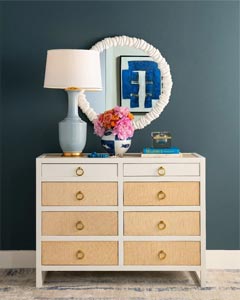
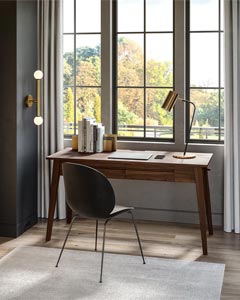

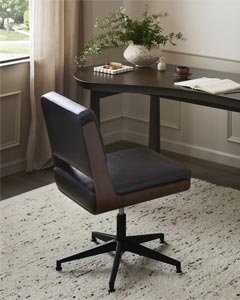
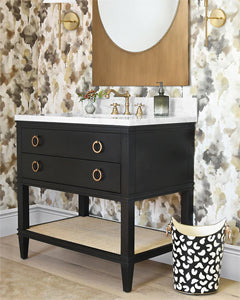

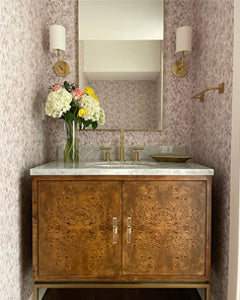
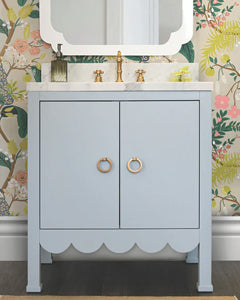



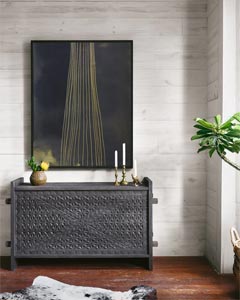


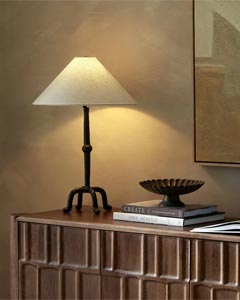
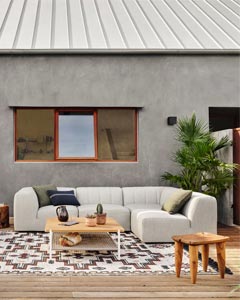


One of the most common questions we get: "Can I mix different wood tones in the same room?" The answer is yes — and when done right, it looks intentional, layered, and deeply sophisticated. Here's how designers do it.
The Golden Rule: Vary the Tone, Not the Undertone
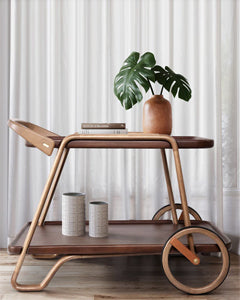
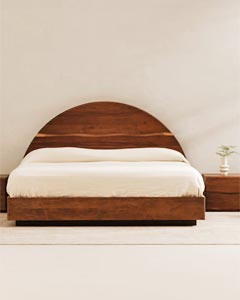
Wood tones have undertones — warm (red, orange, yellow) or cool (gray, green). The key to mixing successfully is staying within the same undertone family. Warm woods (walnut, cherry, teak) mix beautifully together. Cool woods (ash, white oak, driftwood) do the same. Mixing warm and cool tones is where things can go wrong.
Use the 60-30-10 Rule
- 60% — Your dominant wood tone (usually your largest piece, like a dining table or sofa frame)
- 30% — A complementary tone (chairs, side tables, shelving)
- 10% — An accent tone (small objects, picture frames, decorative pieces)
Vary the Finish, Not Just the Color
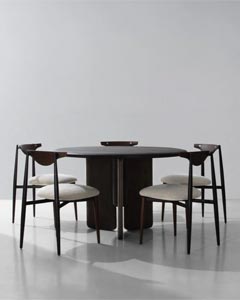
Mixing a matte finish with a satin finish adds visual interest even when the tones are similar. A raw, natural wood dining table pairs beautifully with lacquered side chairs in a similar tone.
Use a Unifying Element
When mixing multiple wood tones, use a unifying element to tie the room together — a rug, a paint color, or a metal finish that appears throughout the space. Aged brass, for example, works beautifully with both warm and cool wood tones.
What to Avoid
- Matching too perfectly — it looks like a furniture showroom, not a home
- Too many competing tones — stick to 2–3 maximum
- Ignoring scale — a tiny side table in a contrasting wood gets lost; make sure each piece has visual weight